

Public Art Auction
LOT 094
NAMIKAWA Yasuyuki
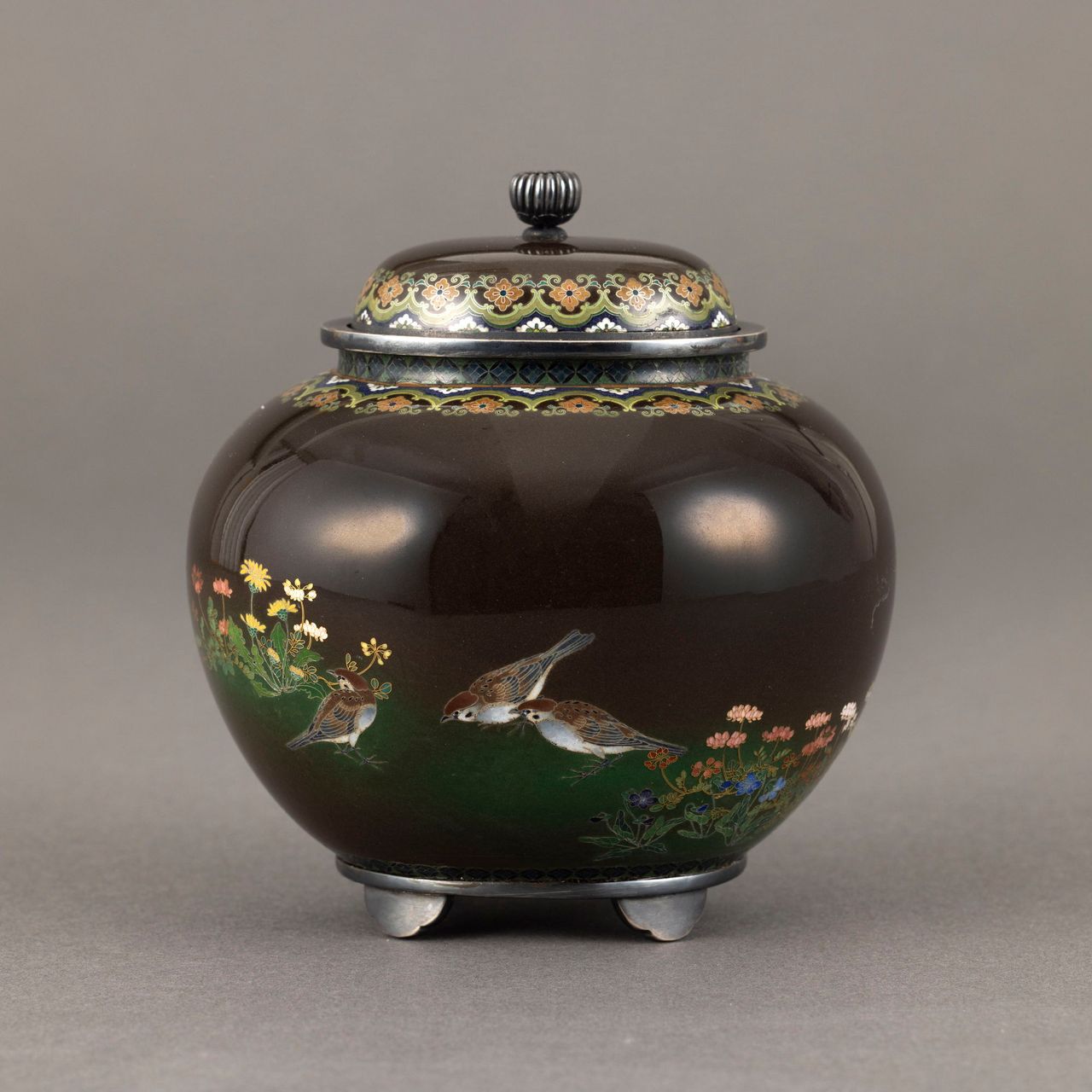
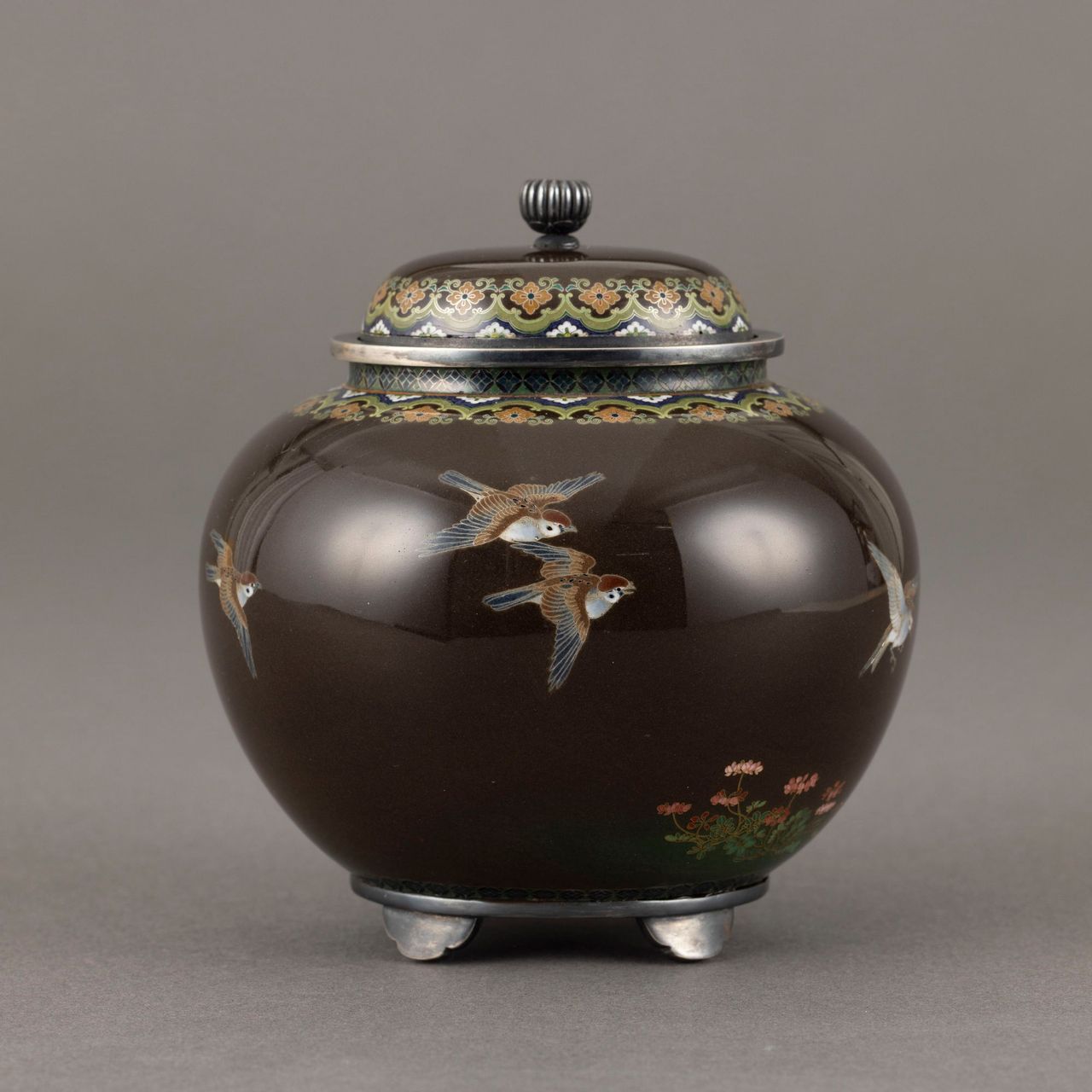
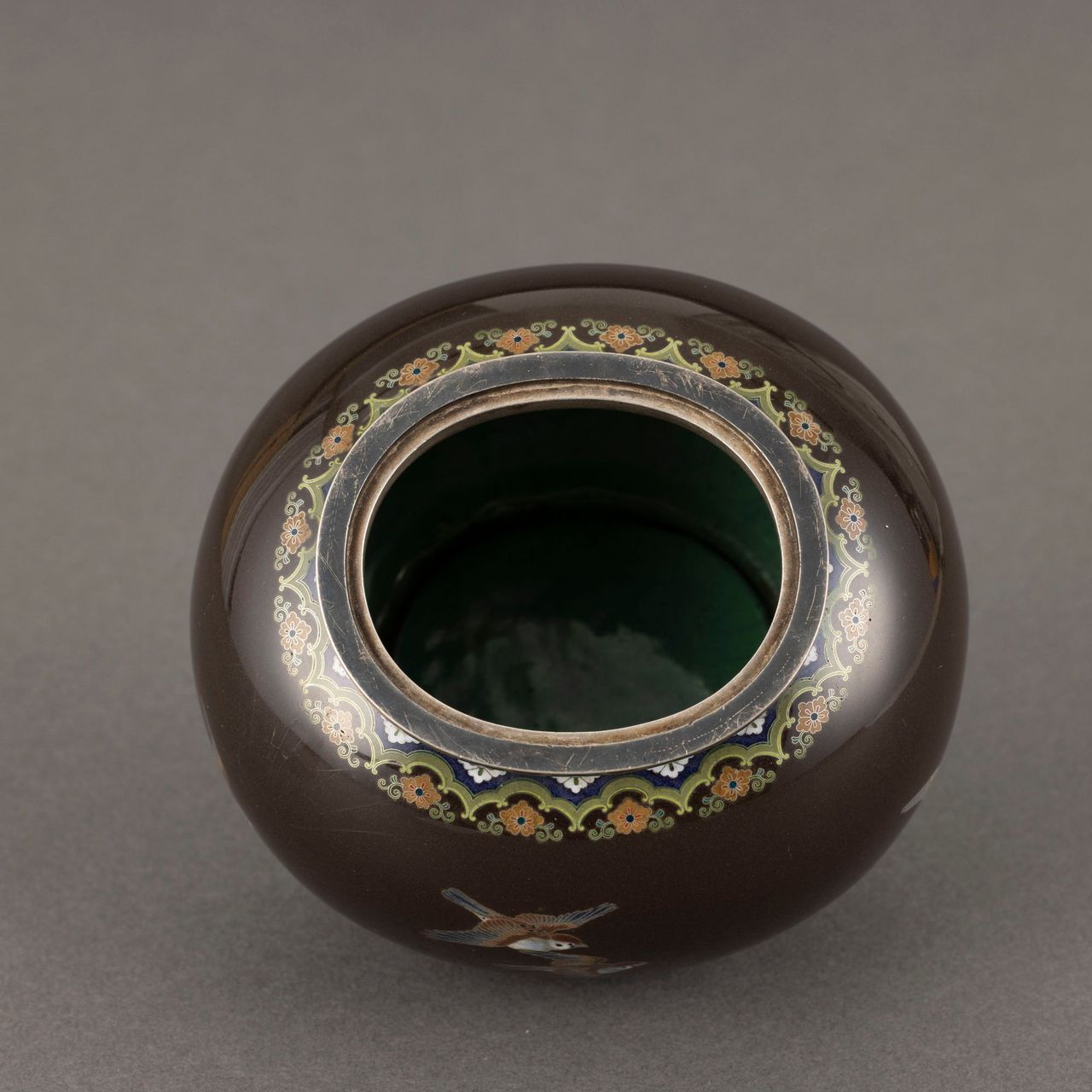
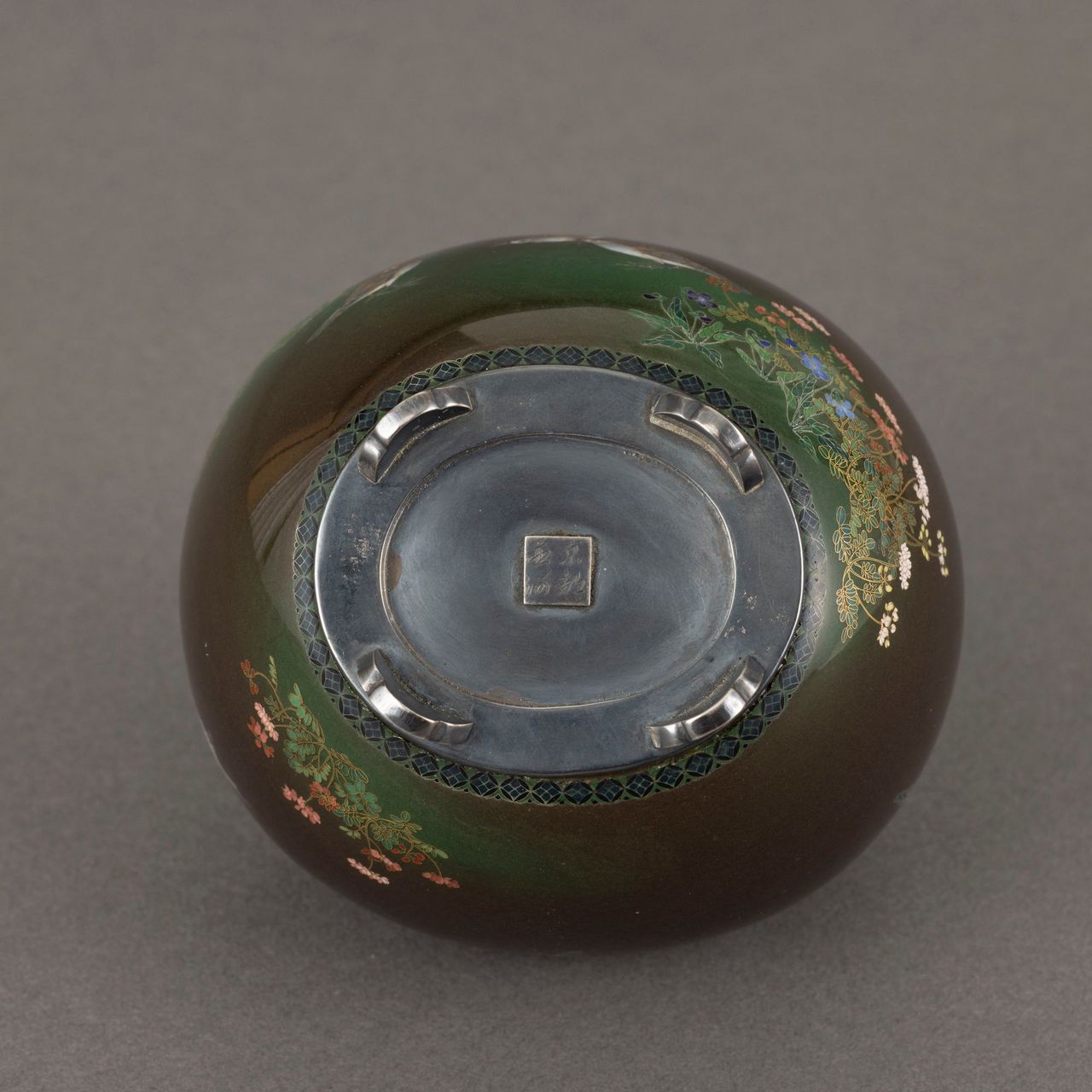
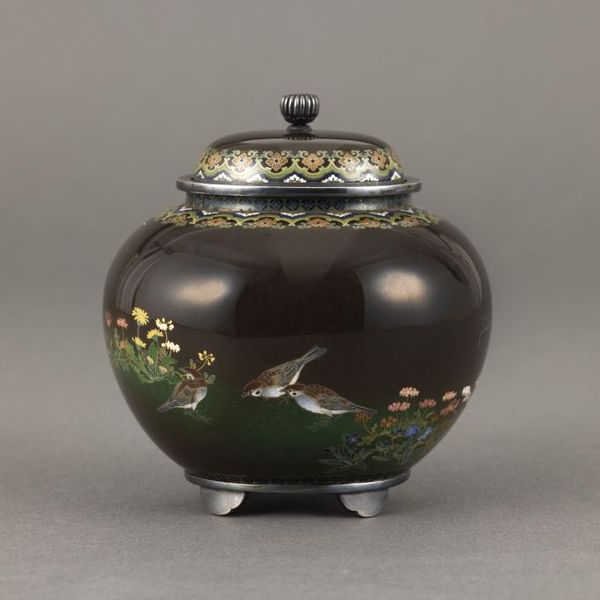
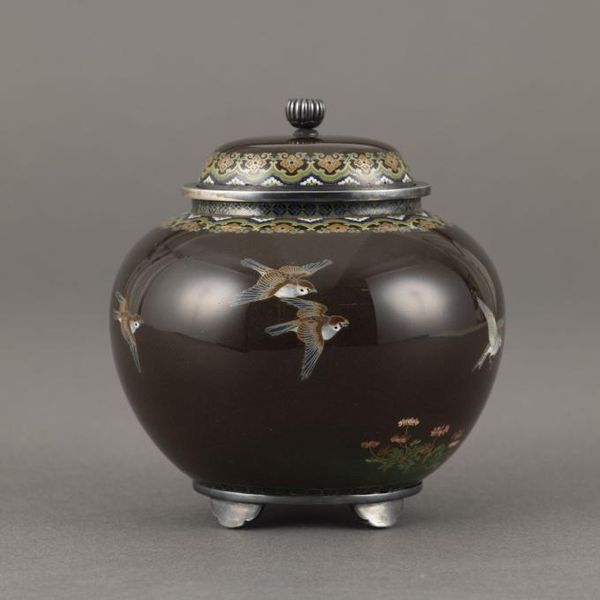
COVERED CLOISONNÉ VASE WITH BIRDS AND BLOSSOMS
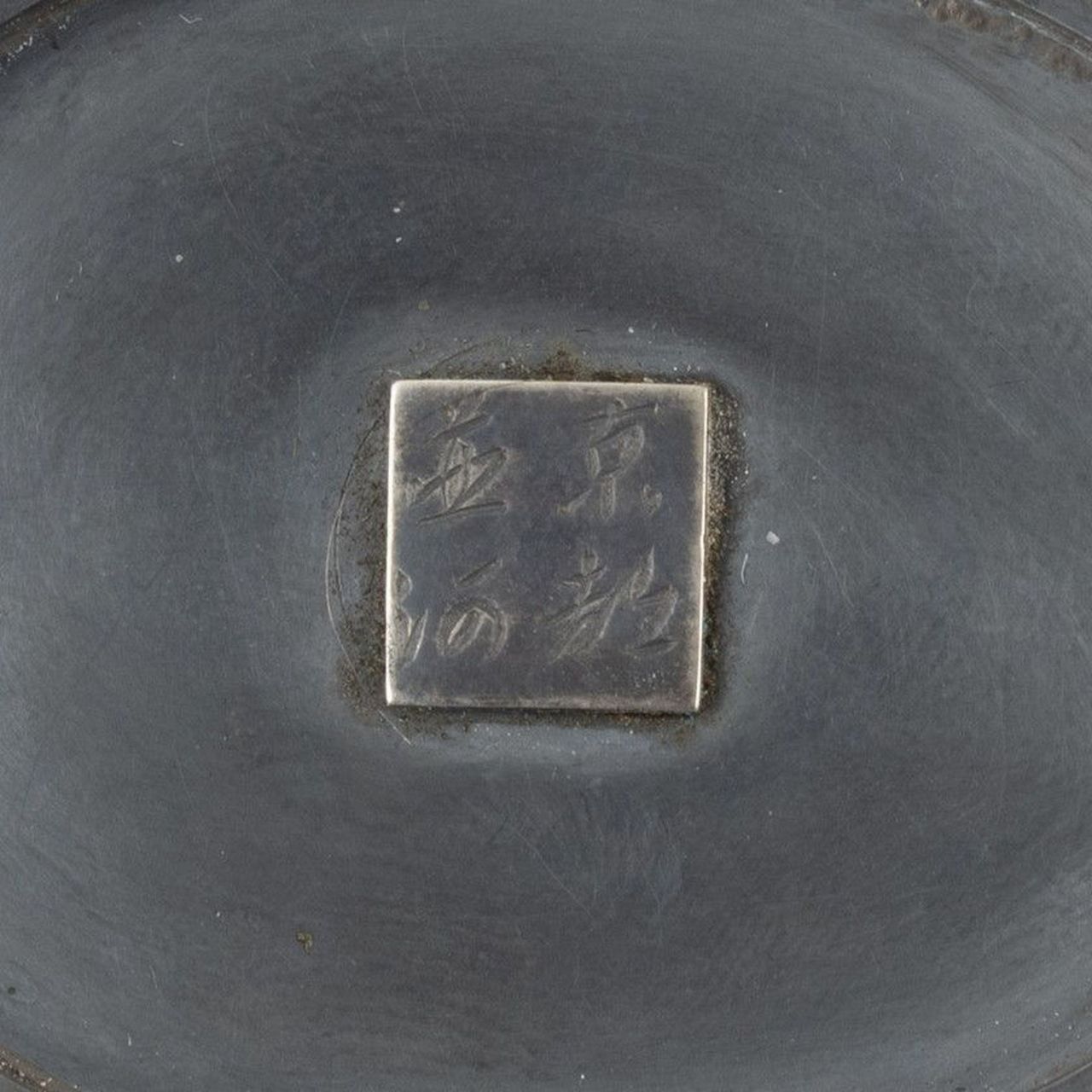
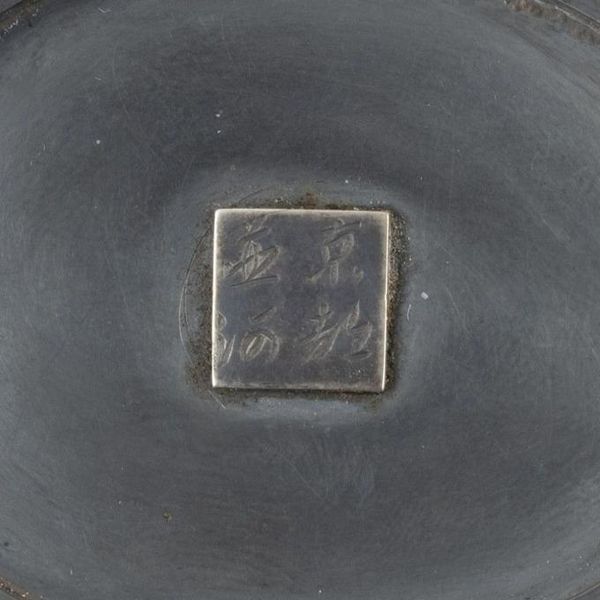
| Signature | incised “Kyoto Namikawa (京都並河)” on the underside |
| Size | h11.2×w7.8×d8.2cm (栓含む/including stopper ) |
HIGHLIGHT
Cloisonné enamel is a decorative art in which glassy enamel is fired onto a metal body to create intricate designs and vibrant colors. While the traditional cloisonné technique employs fine metal wires to delineate motifs, later developments also gave rise to wireless enameling, in which painterly effects were achieved through subtle gradations and variations of enamel color without the use of wires. In Japan, the craft developed from the late Edo period and flourished during the Meiji era, when cloisonné artifacts became highly sought-after export works. Renowned for their extraordinary technical refinement, sophisticated designs, and luminous coloration, Japanese cloisonné enamels came to be celebrated internationally. Among the foremost masters of this golden age was Namikawa Yasuyuki (1845-1927), who worked in Kyoto. Alongside Namikawa Sosuke, he is widely recognized as one of the artists who elevated Japanese cloisonné from decorative craft to fine art. Through his unrivalled mastery of wired cloisonné and his innovative enamel techniques, he secured an enduring place in the history of modern Japanese decorative arts.
The three cloisonné works by Namikawa Yasuyuki offered in this sale provide a compelling overview of the evolution of his artistic style, from his early decorative manner to the maturity of his later production. Building upon the traditional foundations of cloisonné, Namikawa continually refined his palette and design vocabulary, ultimately expanding the artistic possibilities of Japanese enamel.
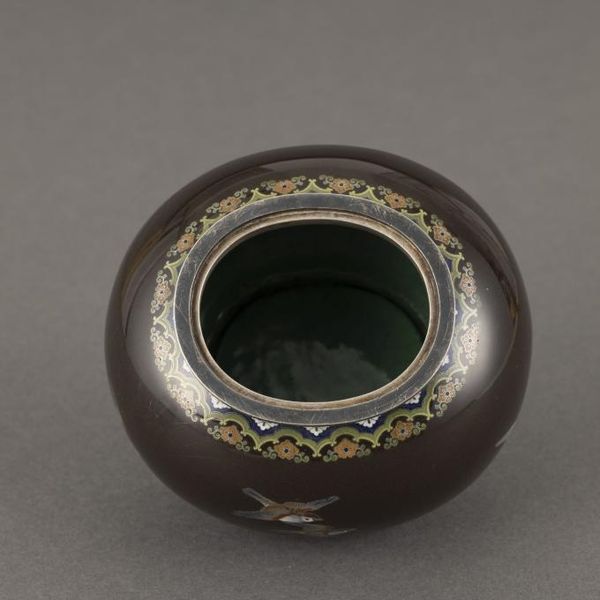
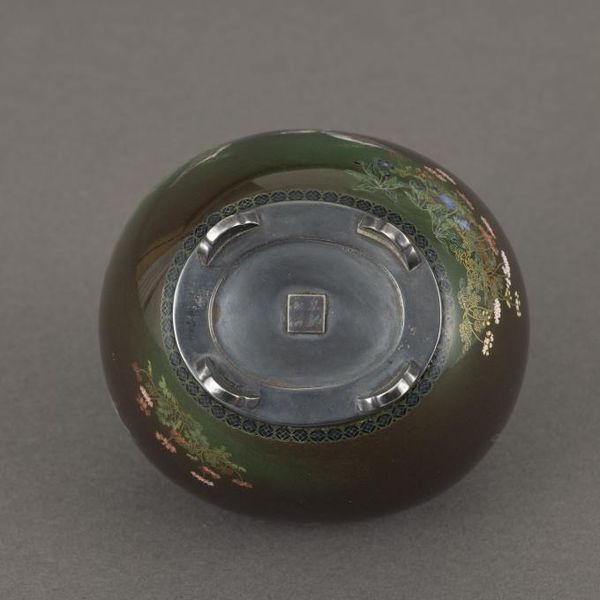
Lot 94, COVERED CLOISONNÉ VASE WITH BIRDS AND BLOSSOMS, exemplifies the characteristics of Namikawa's earlier decorative style. Works from this period frequently feature traditional motifs, including dragons, phoenixes, birds, and flowers inspired by courtly culture, enriched by elaborate scrolling arabesques that create an opulent decorative effect. The intricate border ornamentation surrounding the body and foot of the vase demonstrates both Namikawa's remarkable technical precision and his refined sense of design.
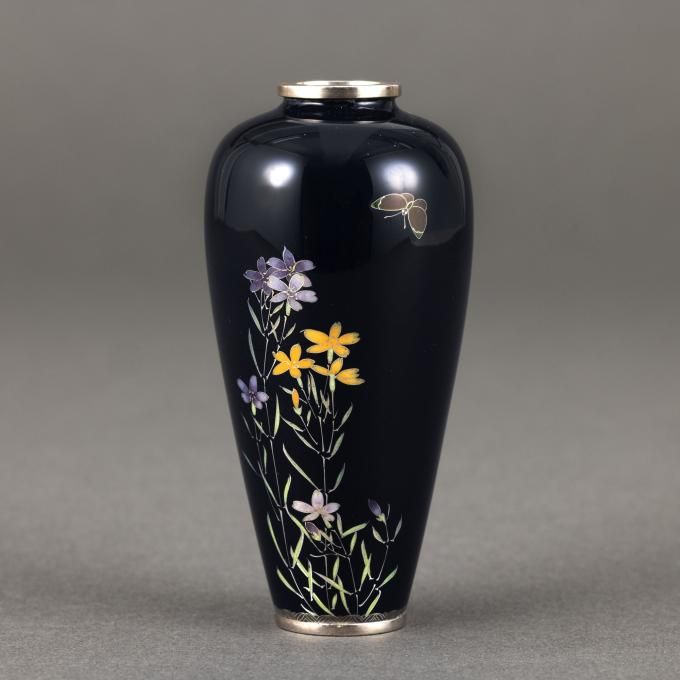
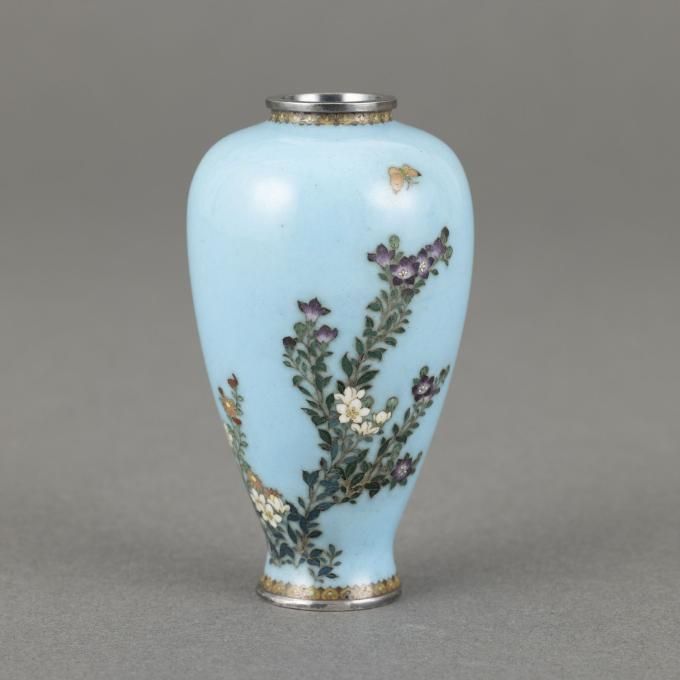
Lot 95, CLOISONNÉ VASE WITH FLOWERS AND BUTTERFLIES, represents one of the defining achievements of Namikawa's mature style. During this period, he perfected the celebrated transparent jet-black enamel known as "Namikawa Black," developed through his own experimentation. This luminous black ground dramatically enhances the brilliance of the floral motifs, allowing for exceptionally subtle gradations and an unprecedented richness of color. The elaborate scrolling ornament of his earlier works gradually gave way to larger, more delicately rendered butterflies and flowering plants. These innovations earned widespread acclaim at both domestic and international expositions, establishing Namikawa's reputation on the world stage.
Lot 96, CLOISONNÉ VASE WITH FLOWERS AND BUTTERFLIES, likewise reflects the refined aesthetic of Namikawa's mature years. The butterfly, a motif associated with the Namikawa family crest, is rendered with remarkable elegance. Combined with a sophisticated palette and a carefully balanced composition that makes effective use of negative space, the design conveys the artist's highly personal interpretation of the beauty of nature.
Taken together, these three works illustrate the remarkable progression of Namikawa Yasuyuki's artistic vision, from richly ornamented decorative compositions to increasingly refined and sophisticated artistic expression. They offer a rare opportunity to appreciate the exceptional craftsmanship, innovative enamel techniques, and profound sensitivity to nature that define the enduring legacy of Namikawa's cloisonné.