


Public Art Auction
LOT 084
SENJU Hiroshi
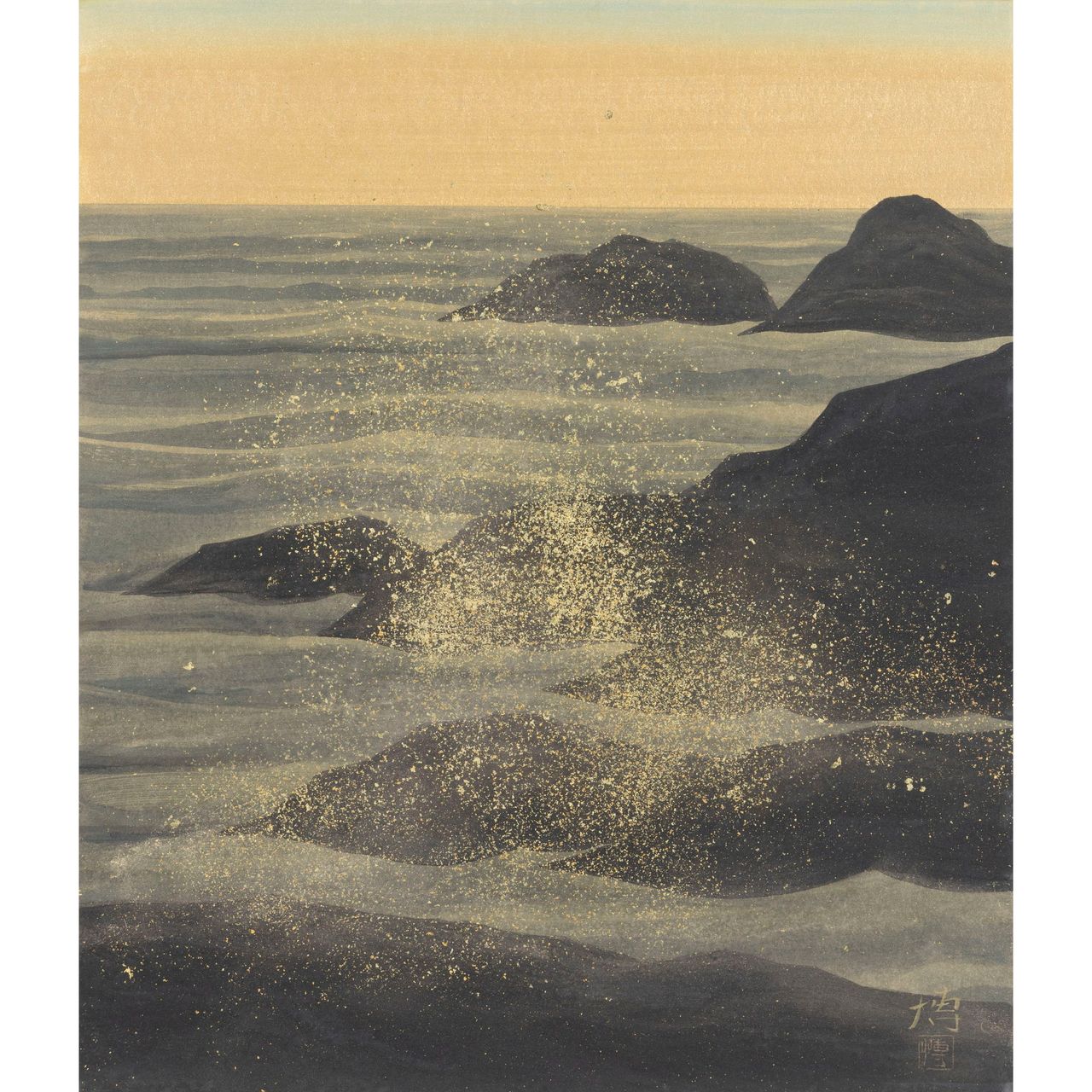
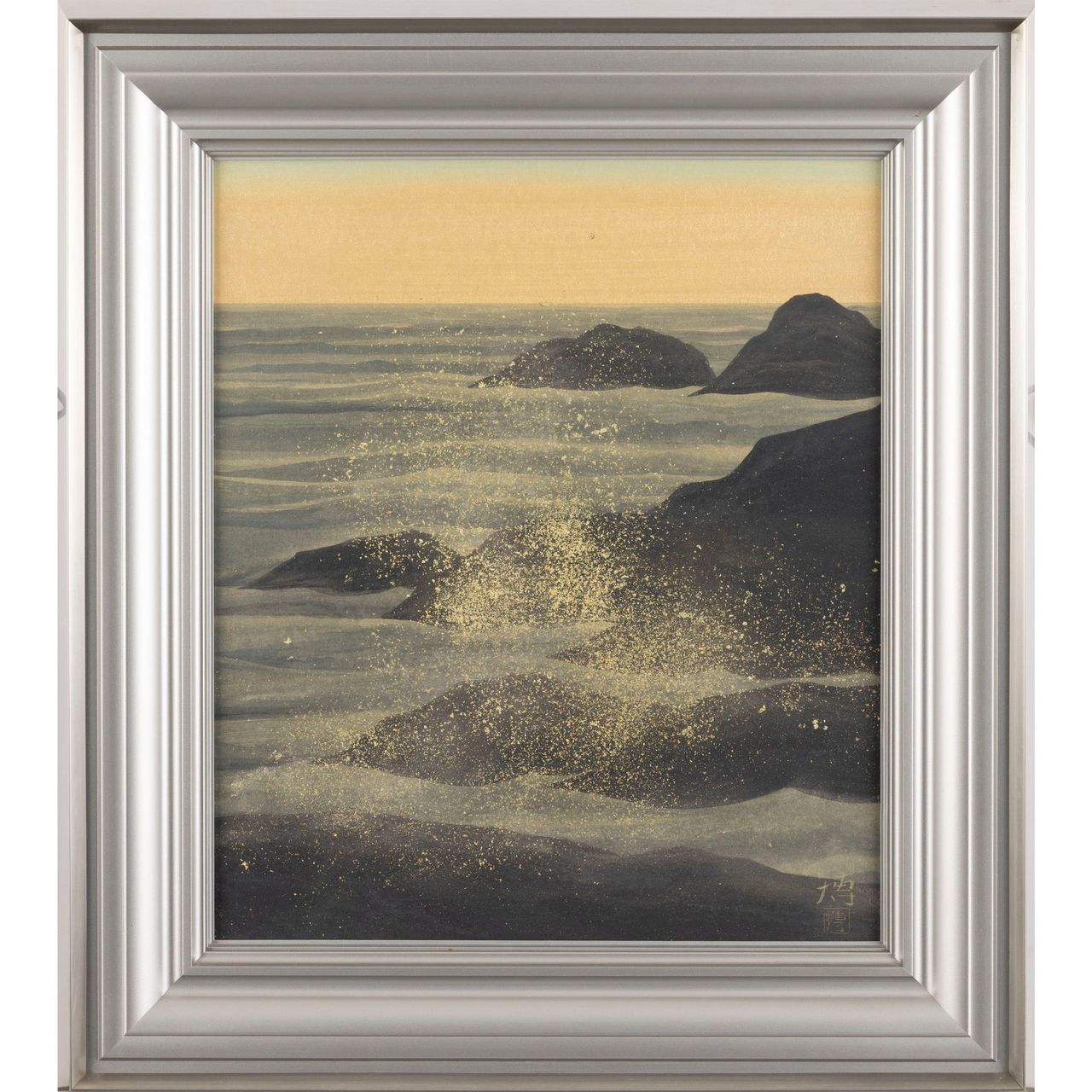
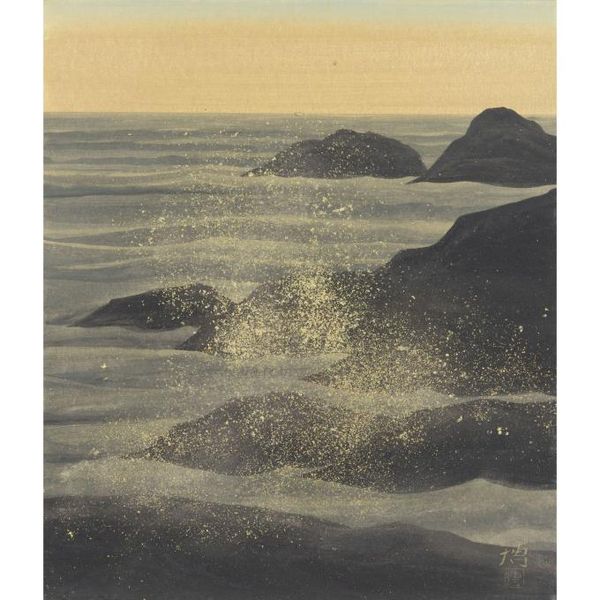
MORNING AT SEA
| Technique | color on paper |
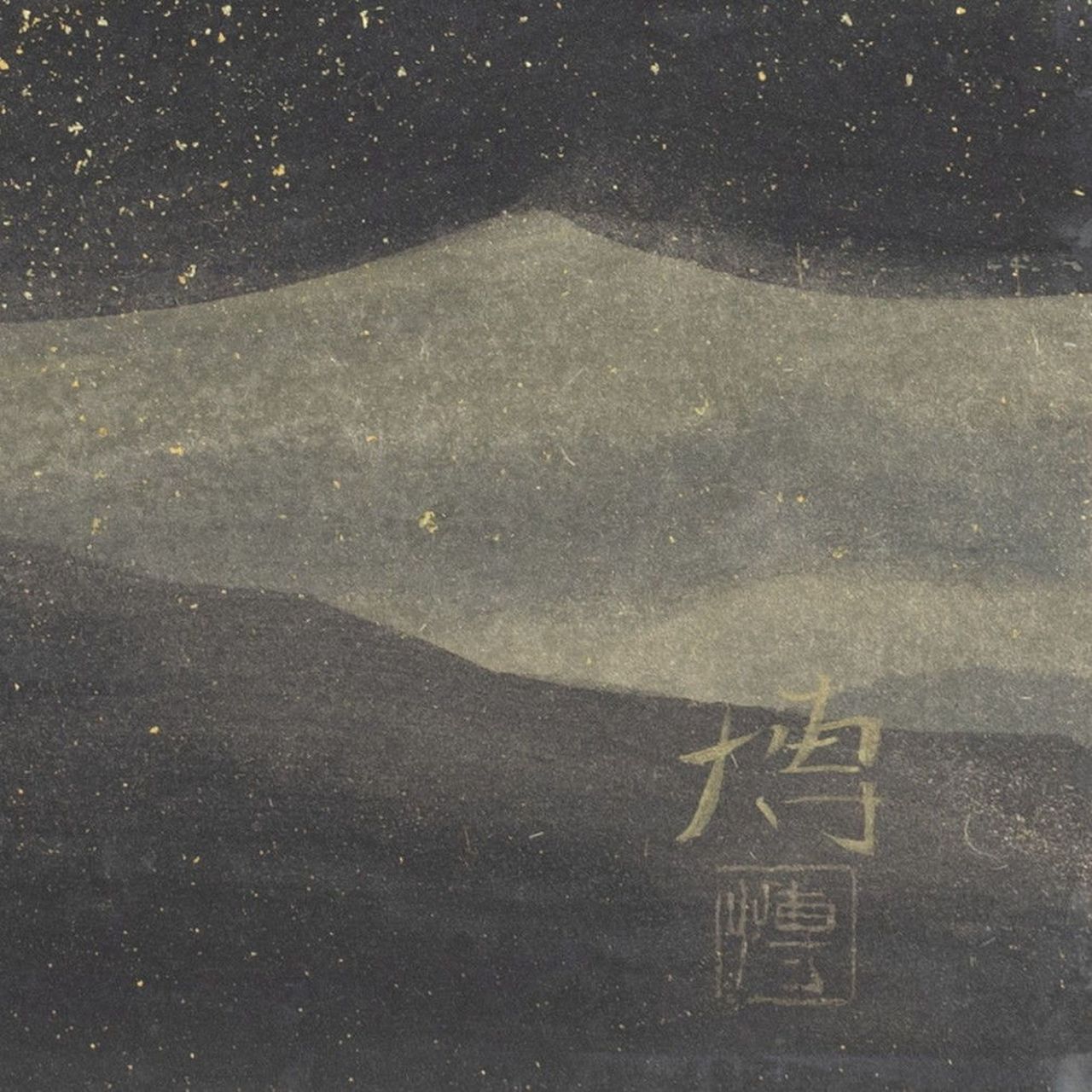
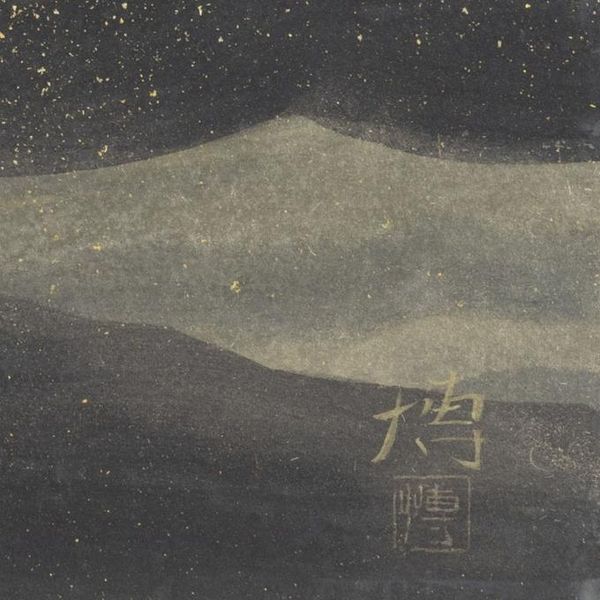
| Signature | signed and stamped on the lower right |
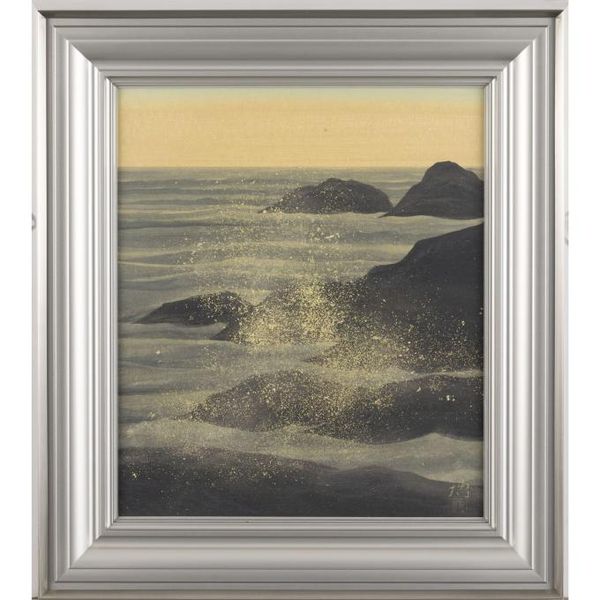
| Frame | framed |
| Size | 52.5×45.5 cm |
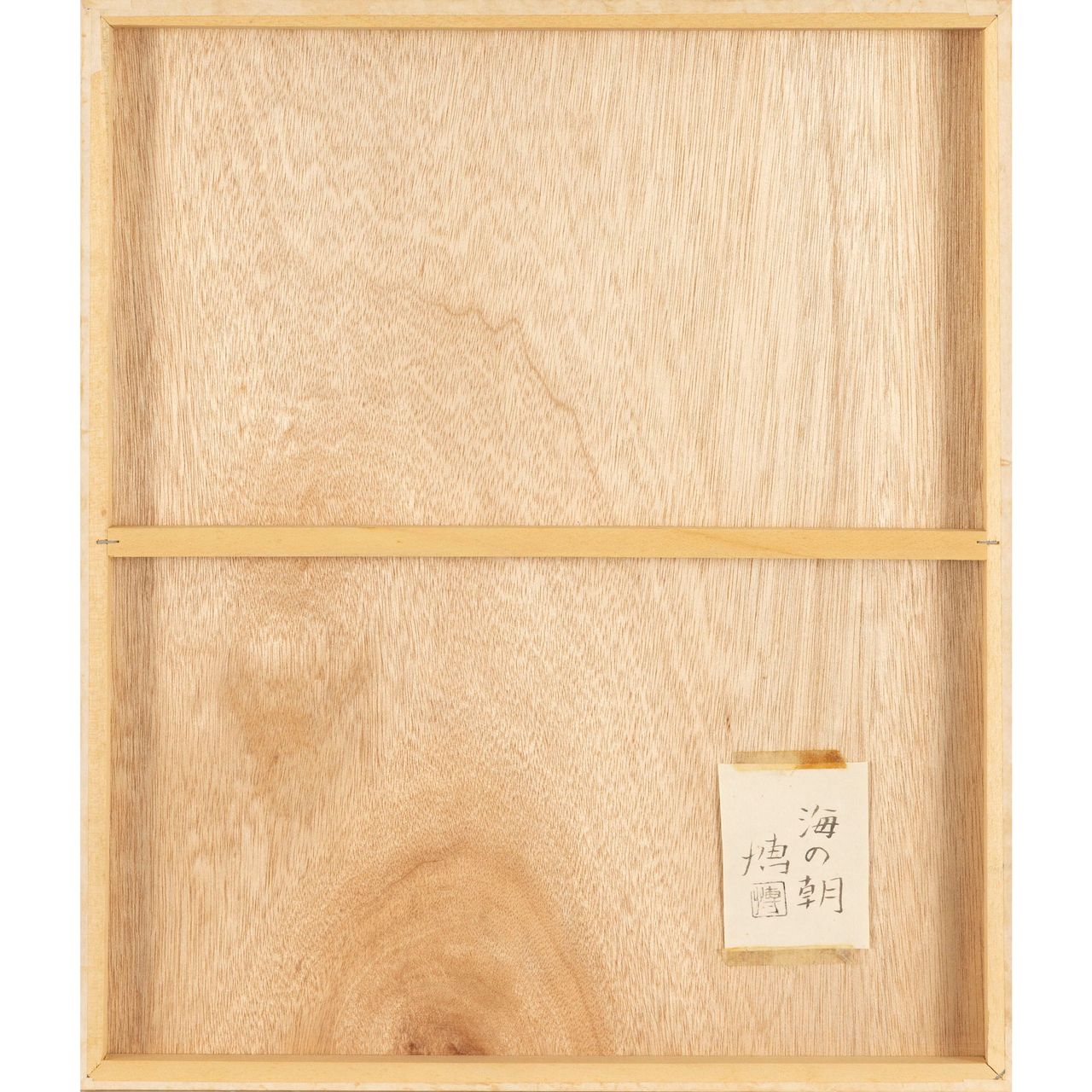
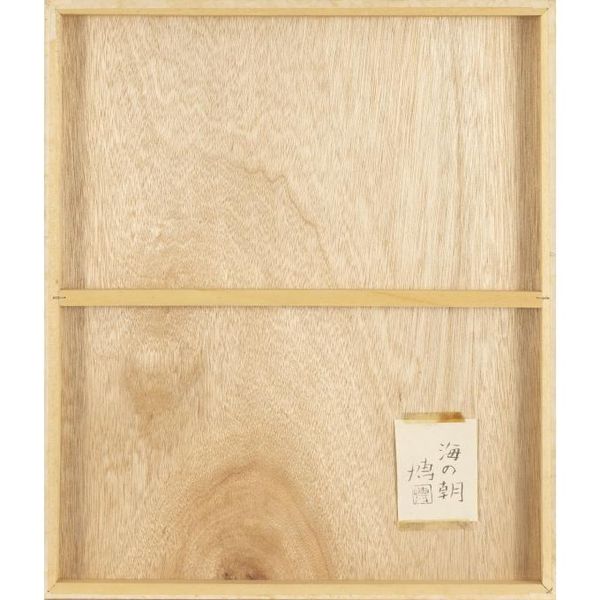
| Certificate | certificate of authenticity by Gallery Yubi; signed, titled and stamped by the artist on the label affixed to the reverse |
HIGHLIGHT
This work represents an important development in Hiroshi Senju’s early artistic expression.
In SENJU (Kyuryudo Graphics, 1990), p.106, a work of the same title, Morning of the Sea, created in 1988, is illustrated. The similarities between the two works, including the depiction of a deep black rock and the effective use of gold leaf particles scattered across the center of the composition, suggest that the present work was created during the same period.
In 1995, Senju was awarded the Honorary Prize at the 46th Venice Biennale, held in Italy. Looking back at the development of his artistic practice leading up to this recognition, this work already reveals important elements that would later shape his artistic direction. It also shows early indications of the approach that would evolve into the series Flat Water, presented in New York in 1993 and depicting Kilauea Volcano on the Island of Hawaii, as well as the subsequent series Tide Water. In Flat Water, Senju created a sense of spatial depth through the contrast between darkly rendered rocks and the surface of the water, while in Tide Water, he focused solely on waves and used black as a subtractive element to express depth and expansiveness through limited visual elements.
In this work, the exploration of spatiality beyond simple landscape depiction is pursued through the use of heavy, dark rock forms and the luminous effect of gold particles. The artistic methodology later established by Senju, in which natural elements are abstracted and depth is expressed through contrast, can already be seen emerging at this stage. A landscape expression approaching the realm of ideas, in which nature is transformed into a symbolic language, also begins to appear, making this an important work that anticipates the artistic development that would later earn him international recognition.
CONDITION REPORT