

Public Art Auction
LOT 057
YAMAGUCHI Takeo
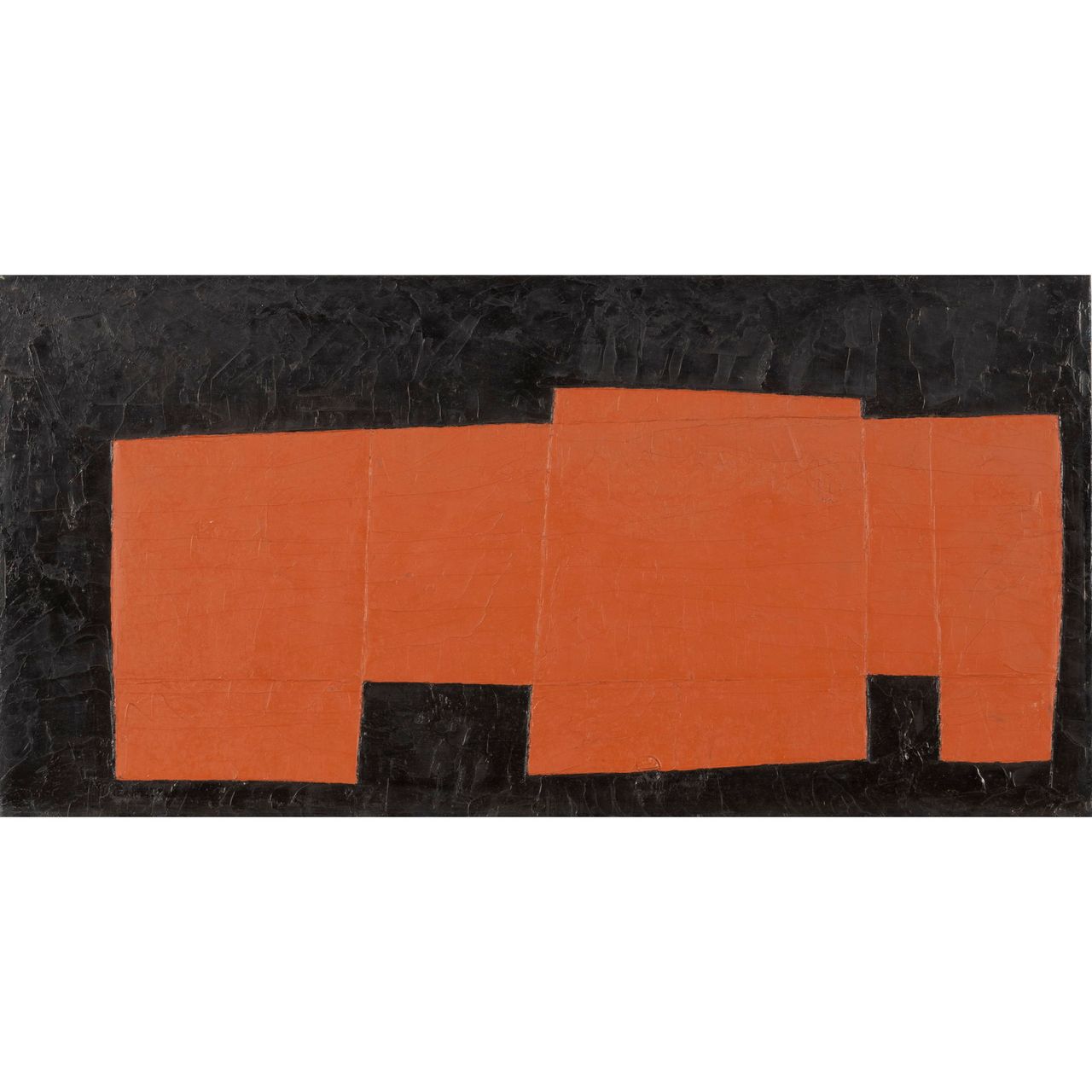
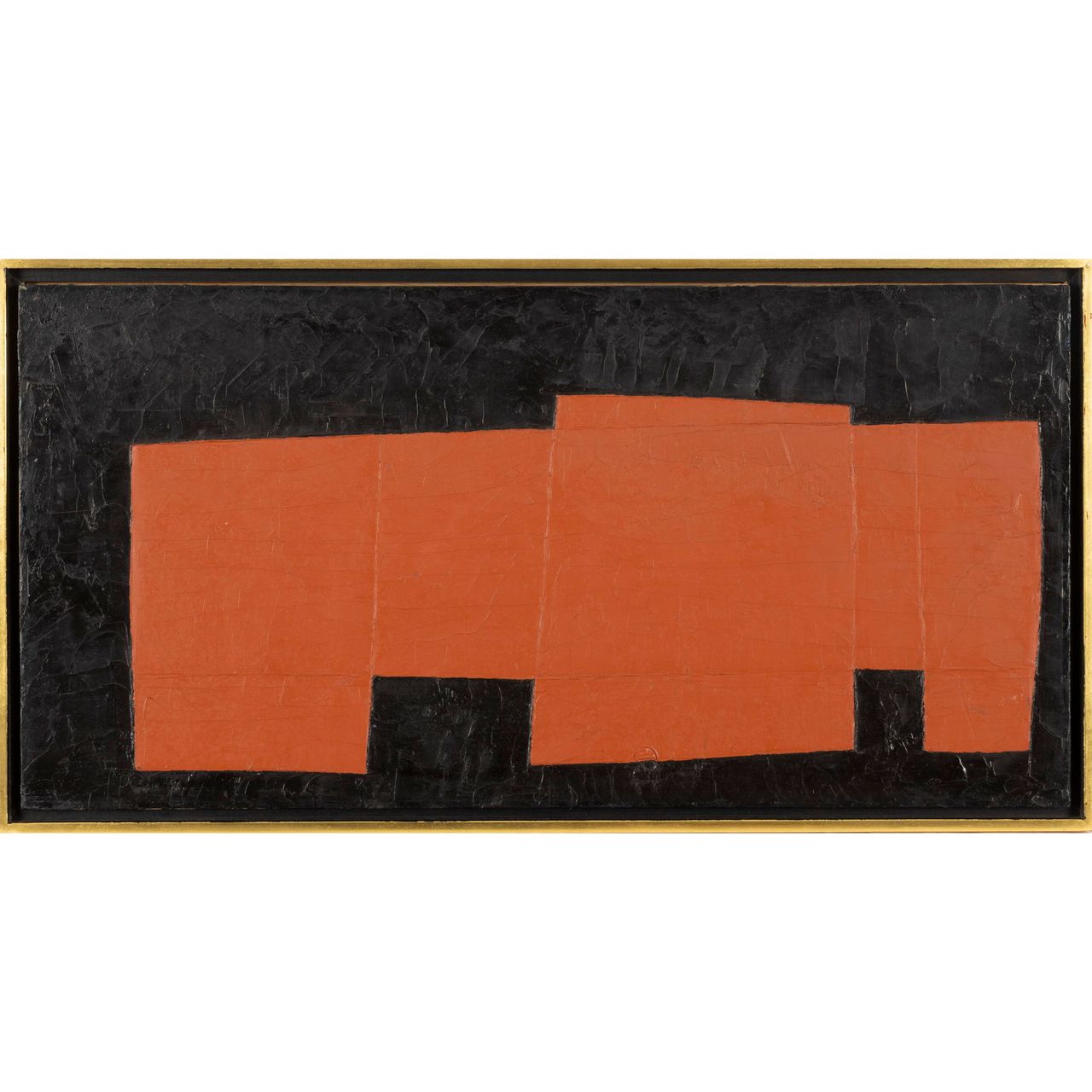
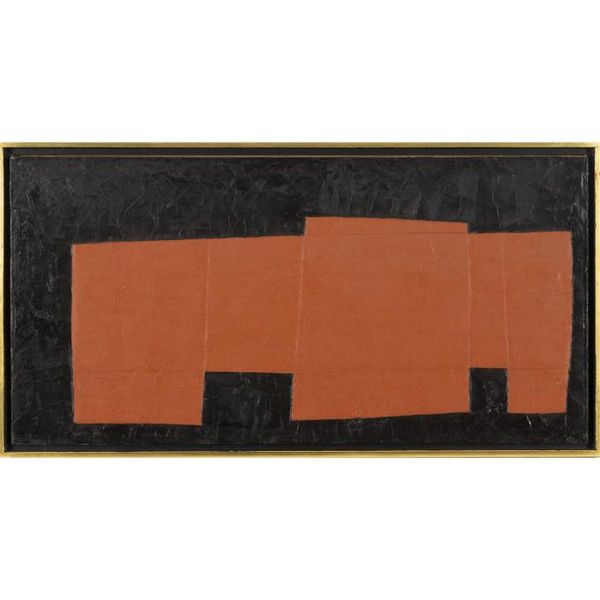
FENCE FORM
| Technique | oil on panel |
| Frame | framed |
| Size | 30.4×60.8 cm |
| Year of the work | 1960 |
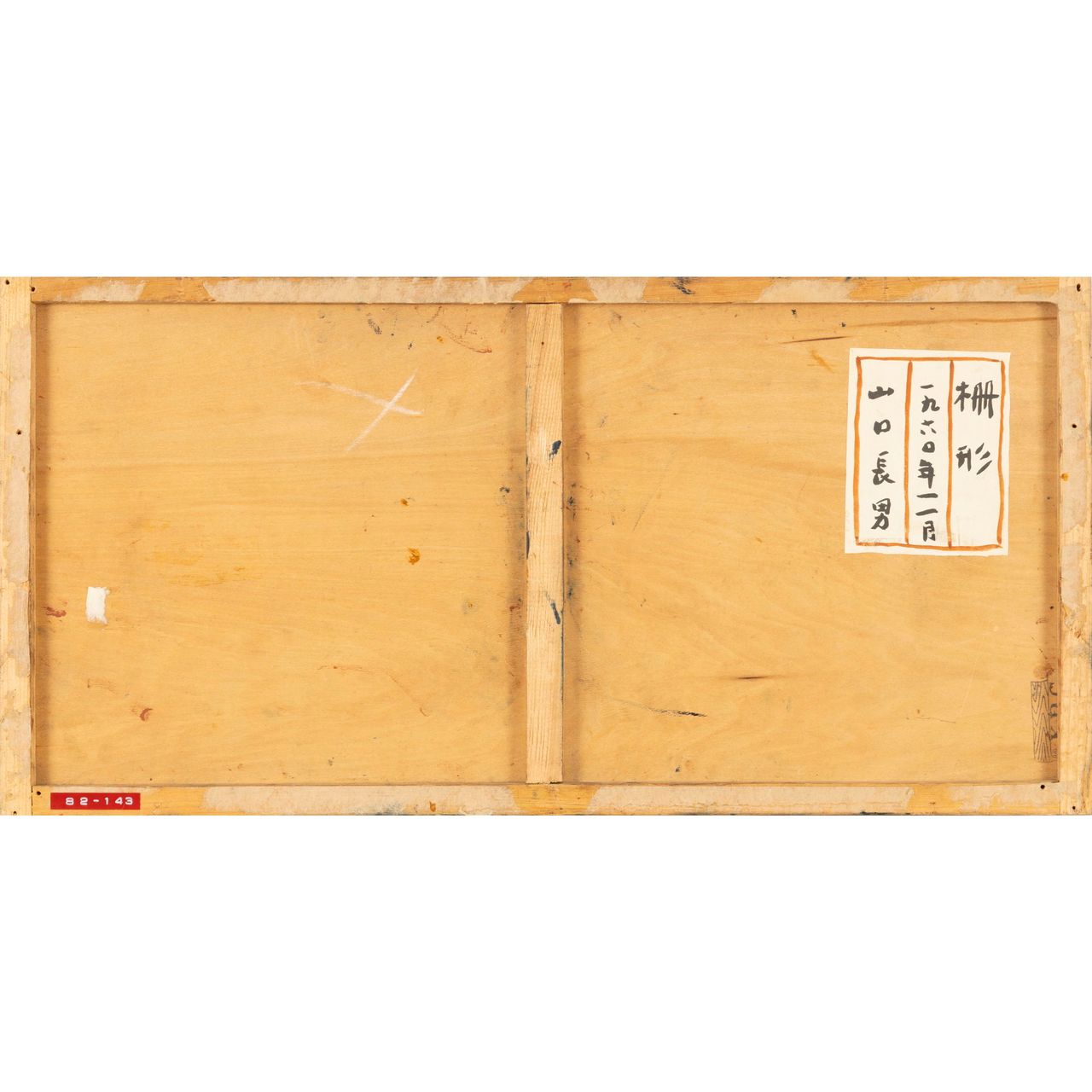
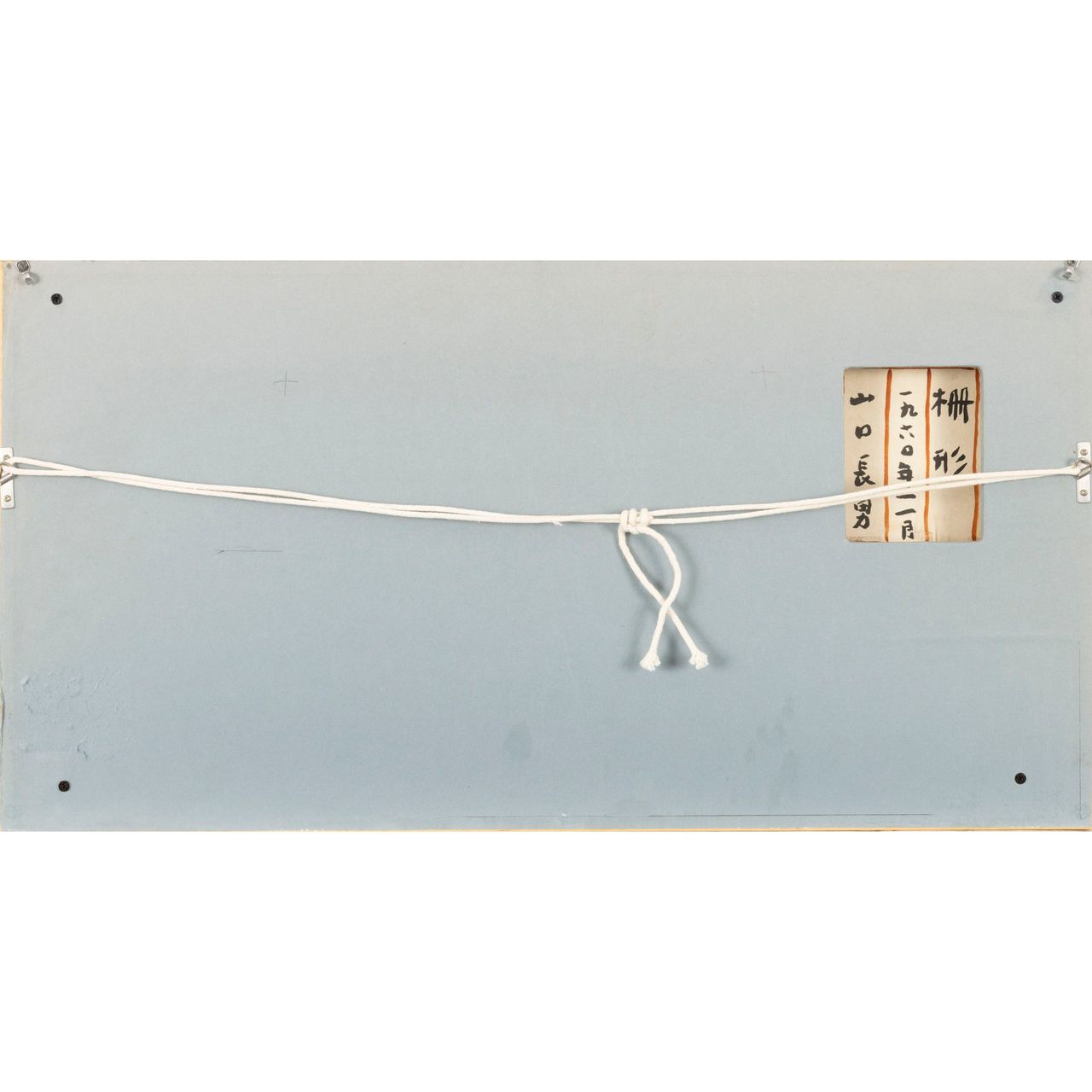
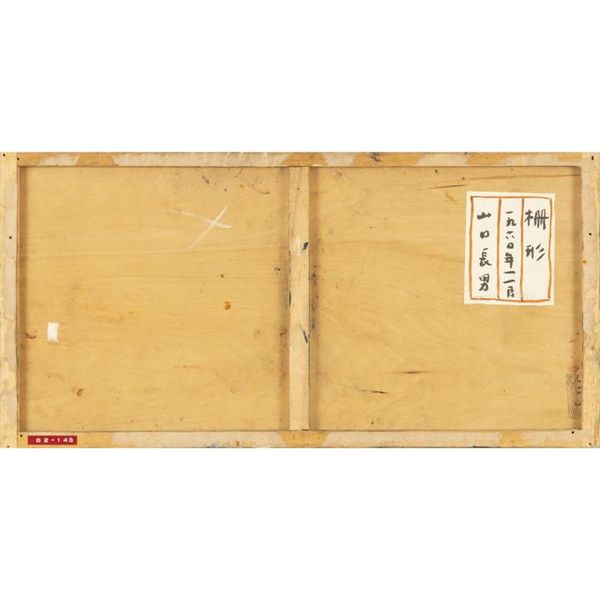
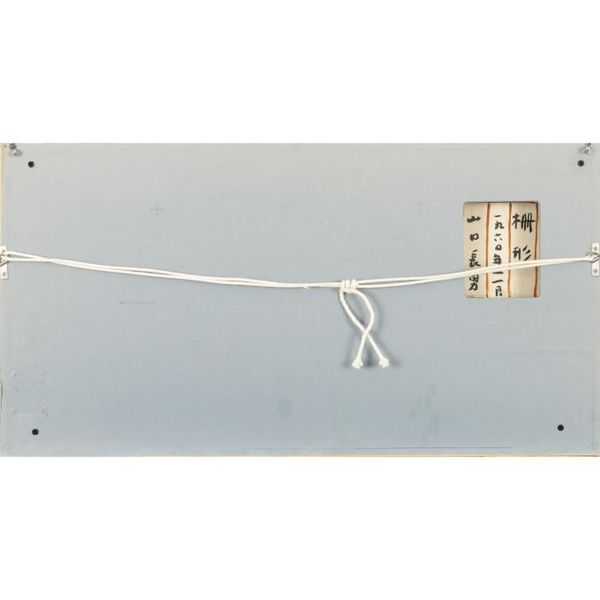
| Certificate | signed, titled and stamped by the artist on the label affixed to the frame reverse |
| Literature | "Takeo Yamaguchi Works", Kodansha, 1981, no. 183 |
| Exhibition | "Exhibitions in the 1950s and 1960s" Jiyugaoka Gallery, 1980 |
| Provenance | Private Collection, JapanEst-Ouest Auctions, Autumn Sale, Hong Kong, November 26, 2010, lot 56 Phillips New York, 20th Century & Contemporary Art Day Sale, Morning Session, November 15, 2017, lot 160 |
HIGHLIGHT
A rare oil painting by Takeo Yamaguchi, a pioneer of Japanese abstract painting and one of the leading figures in postwar Japanese art. Yamaguchi developed his own form of non-figurative expression from the prewar period and became one of the foremost practitioners of abstract painting in postwar Japan.
Created in 1960, this work is executed on a wooden panel, featuring layers of reddish-brown pigment applied over a black ground to create a rich, textured surface and a profound sense of depth. The restrained geometric composition, combined with bold knife-applied strokes, reveals Yamaguchi’s distinctive approach to materiality and balance, resulting in a work of quiet yet powerful presence.
The 1960s marked a period of significant transformation in Japan, both socially and culturally, as the country entered a new era of postwar development. During this time, abstract painting flourished, and Yamaguchi established his reputation as a leading figure in the movement. His works gained international recognition and entered the collections of prominent institutions, including The Solomon R. Guggenheim Museum and The Museum of Modern Art (MoMA), New York. Executed in 1960, during a pivotal stage in Yamaguchi’s artistic development, this work exemplifies the refined aesthetic and distinctive painterly language that define his mature practice. It represents an important contribution to the history of Japanese abstract painting.