

Public Art Auction
LOT 173
Émile GALLÉ
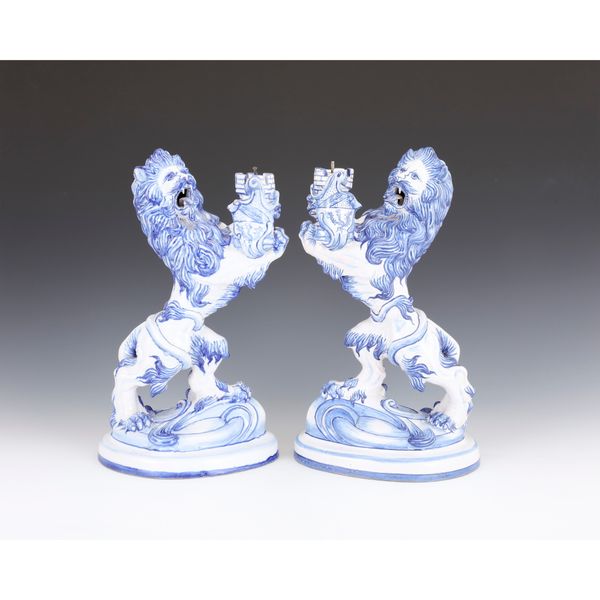
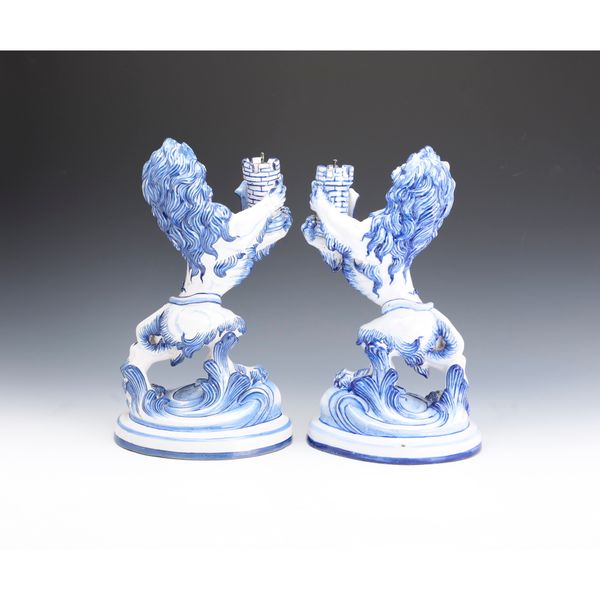
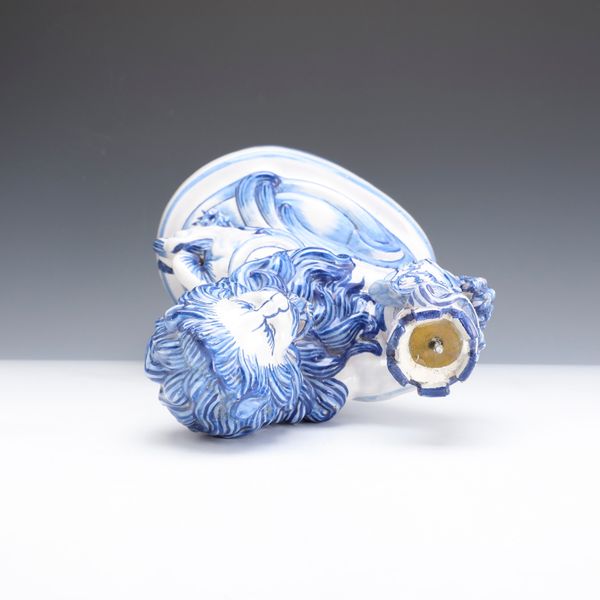
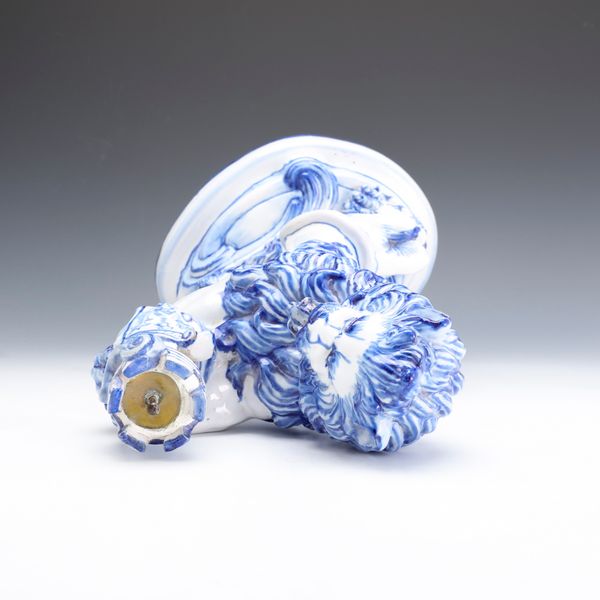
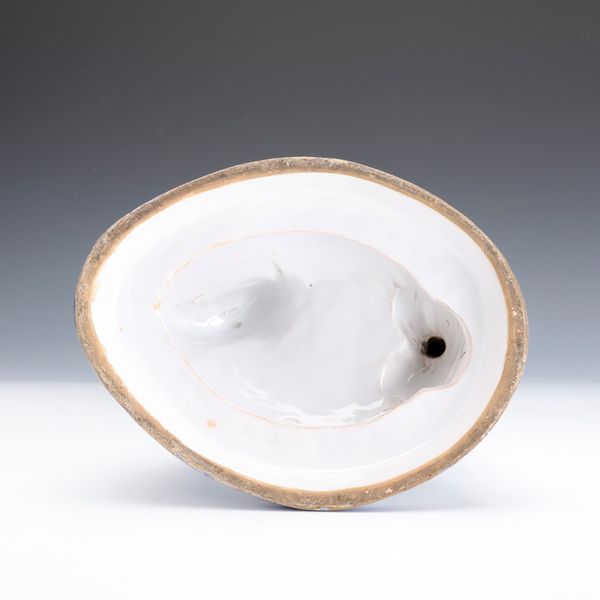
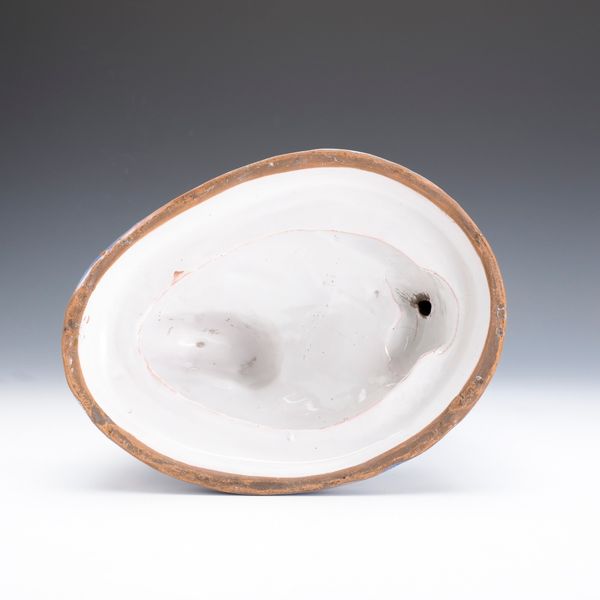
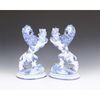
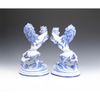
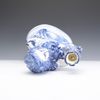
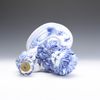
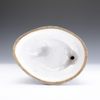
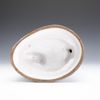
A PAIR OF LION-SHAPED CANDLEHOLDERS
| Technique | faience |
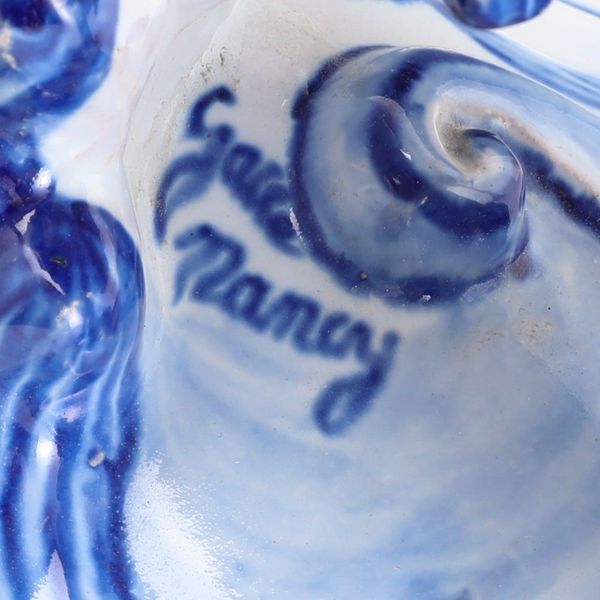
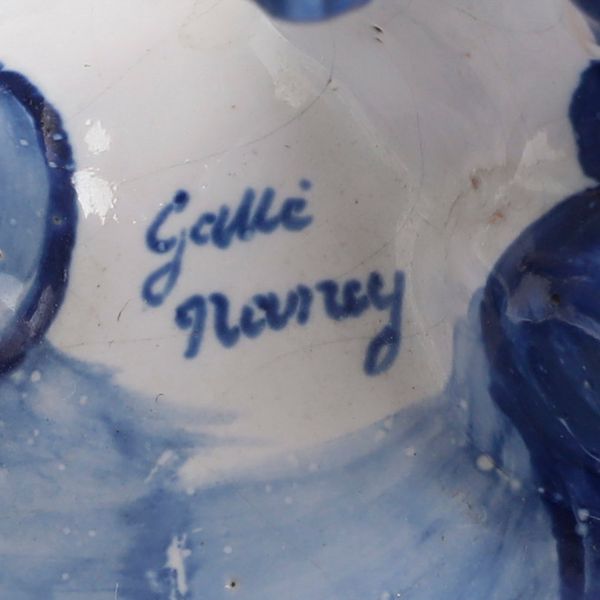
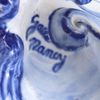
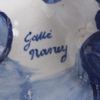
| Signature | each signed on the base |
| Size | 各 / each : h42.0×w25.0×d19.0 cm |
| Year of the work | cir. 1870 |
| Certificate | certificate by Western Art Merchant Association of Japan |
| Literature | Works in similar design: Philippe Garner, Emile Gallé, 1976, p. 63; </br>Editions de la Réunion des musées nationaux, Gallé, 1985, p. 91 |
HIGHLIGHT
Émile Gallé is renowned not only for his glassworks but also for his numerous masterpieces in faience, a type of soft-paste glazed pottery. Faience is a ceramic ware coated with tin glaze over a delicate, pale yellow clay body. Gallé’s father, Charles Gallé, was involved in both glass and ceramic production, which naturally led Émile to explore ceramics as well. He presented innovative works at major exhibitions, including the 1878 Paris Exposition, the 1884 Paris Decorative Arts Exhibition, and the 1889 Paris Exposition. Through continuous refinement of clay bodies and glazes, Gallé created a distinctive range of decorated ceramics that garnered high acclaim.
This particular work is a pair of candlesticks featuring a traditional Lorraine lion motif, finished in blue underglaze. A piece of the same design was exhibited at the 1884 Central Union of Decorative Arts Exhibition, making it one of the most representative examples of Gallé’s ceramic works.
CONDITION REPORT
SEE OTHER WORKS
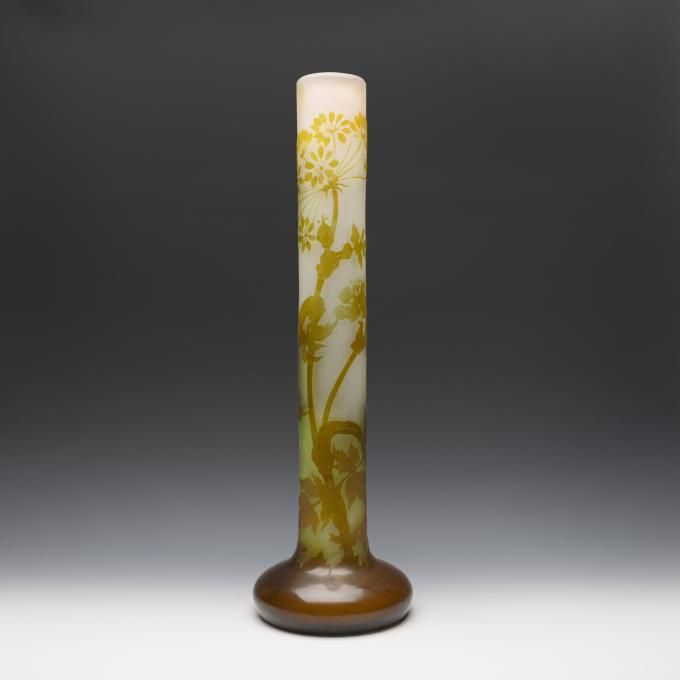 LOT 139Émile GALLÉ
OMBRE VASE
No ReserveJPY 150,000 - 250,000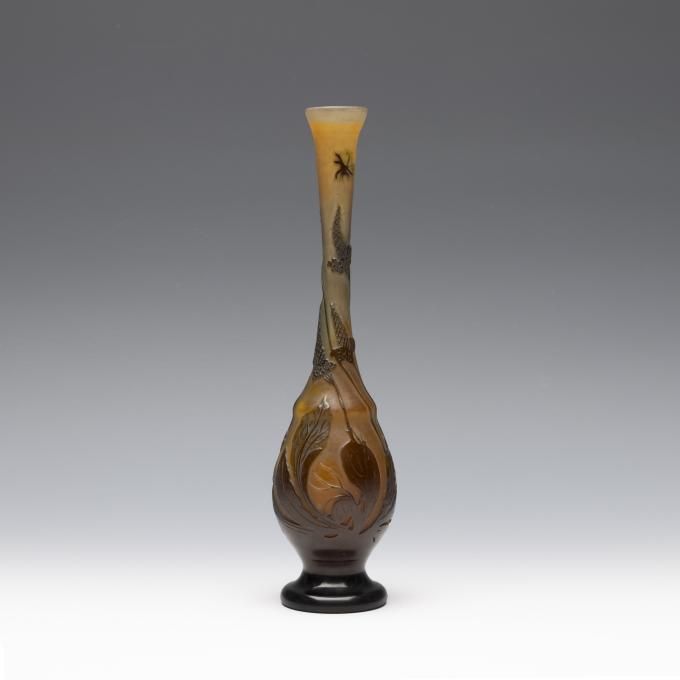 LOT 140Émile GALLÉ
LEAF VASE
No ReserveJPY 100,000 - 150,000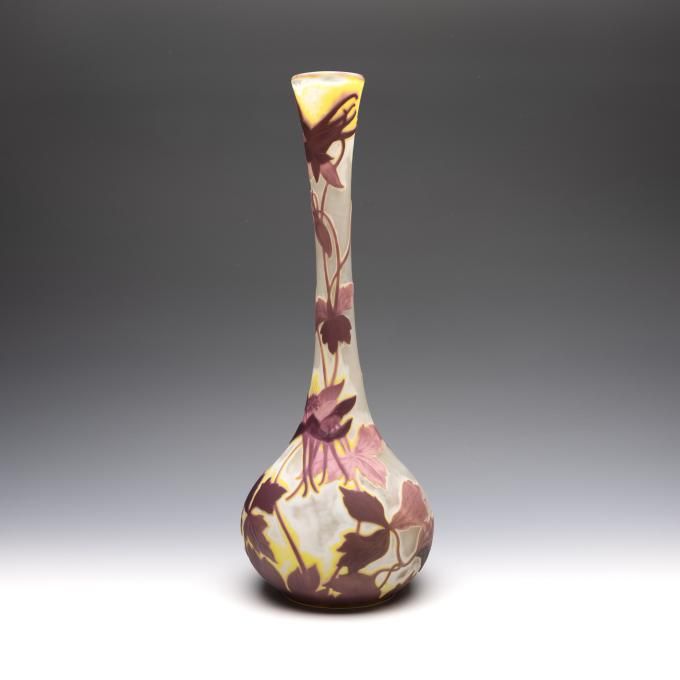 LOT 141Émile GALLÉ
COLUMBINE VASE
JPY 180,000 - 280,000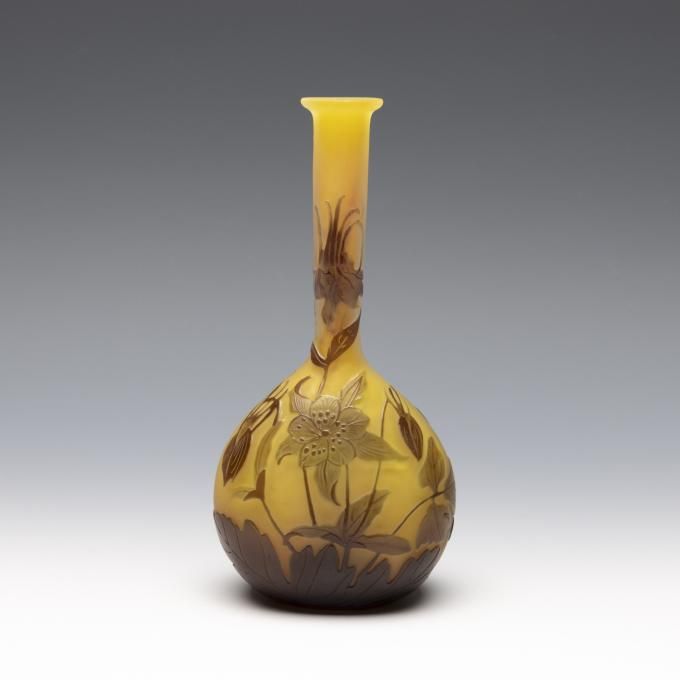 LOT 142Émile GALLÉ
FLORAL VASE
No ReserveJPY 70,000 - 120,000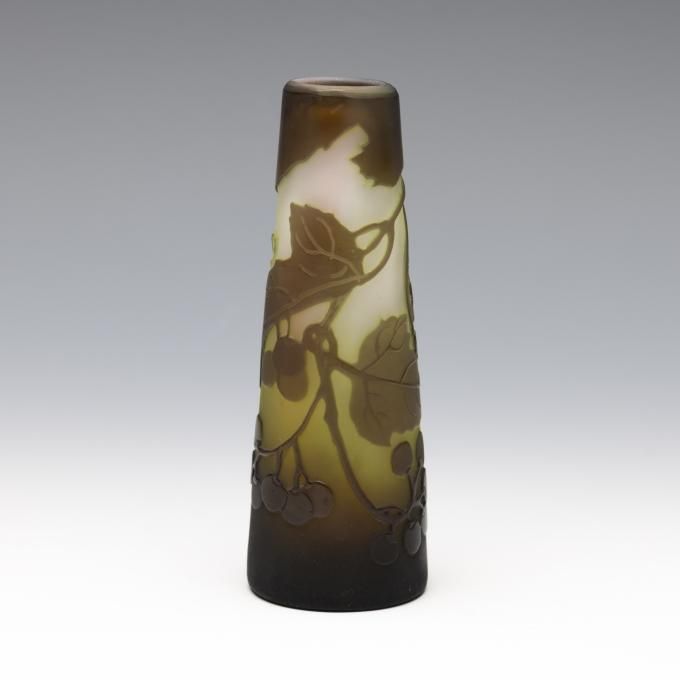 LOT 143Émile GALLÉ
BERRY VASE
No ReserveJPY 50,000 - 80,000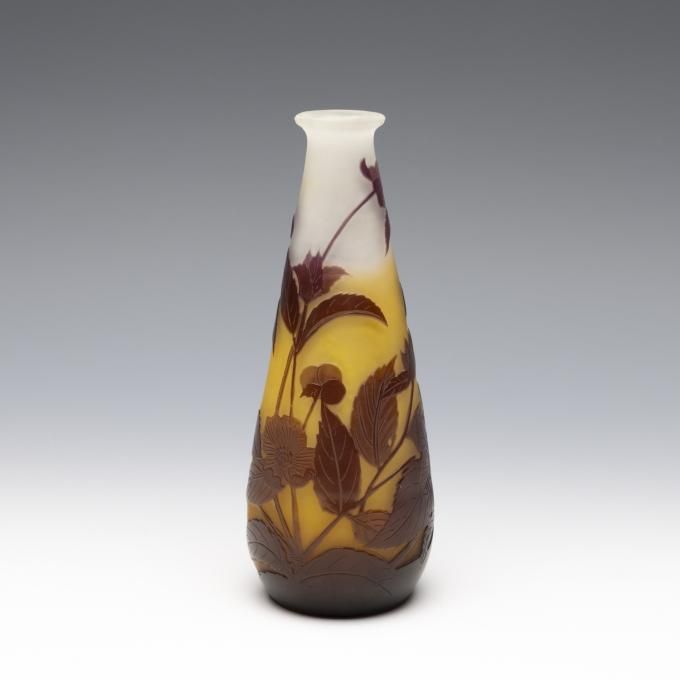 LOT 144Émile GALLÉ
FLORAL VASE
No ReserveJPY 70,000 - 120,000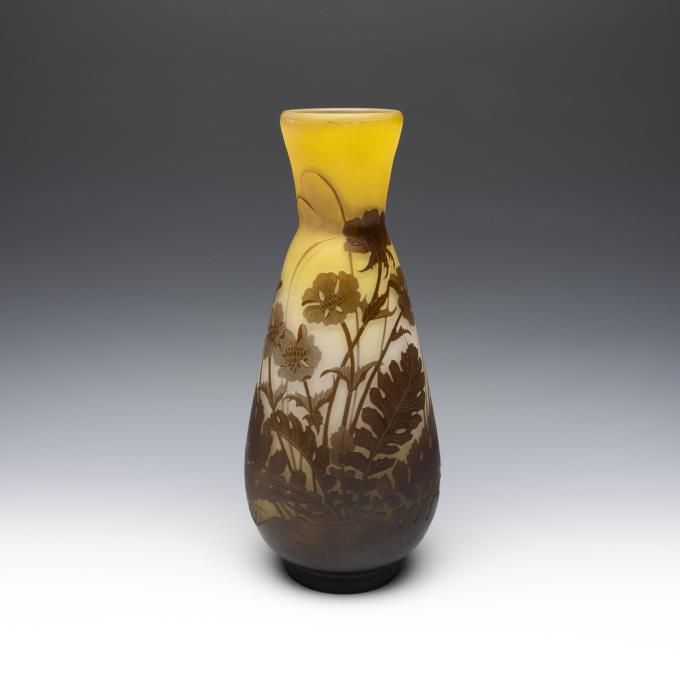 LOT 145Émile GALLÉ
ACANTHUS VASE
No ReserveJPY 120,000 - 170,000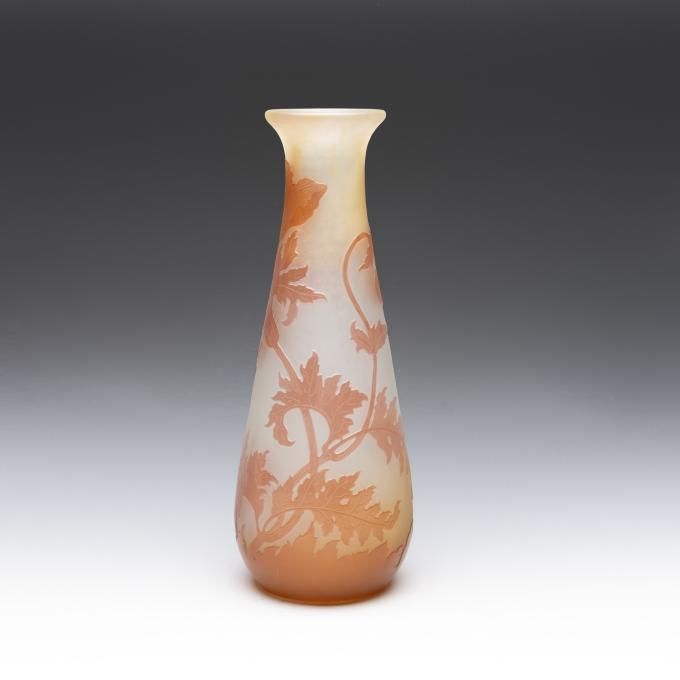 LOT 146Émile GALLÉ
FLORAL VASE
No ReserveJPY 100,000 - 150,000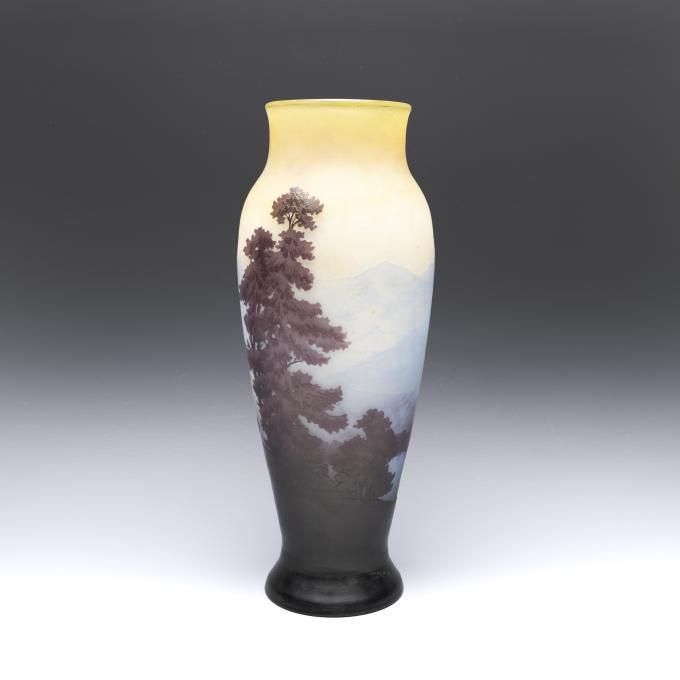 LOT 147Émile GALLÉ
LAKE LANDSCAPE VASE
JPY 120,000 - 170,000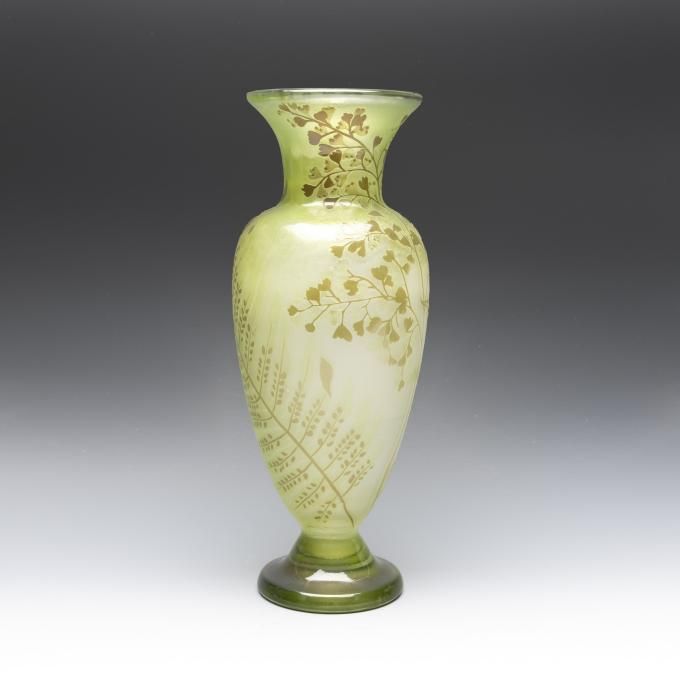 LOT 148Émile GALLÉ
FERN VASE
JPY 130,000 - 180,000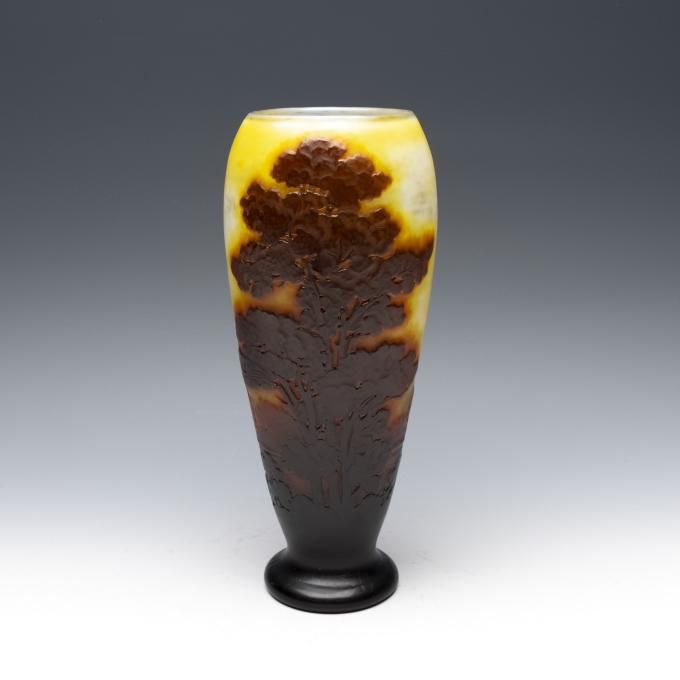 LOT 151Émile GALLÉ
VASE WITH LAKE AND FOREST
JPY 300,000 - 500,000